







En este artículo
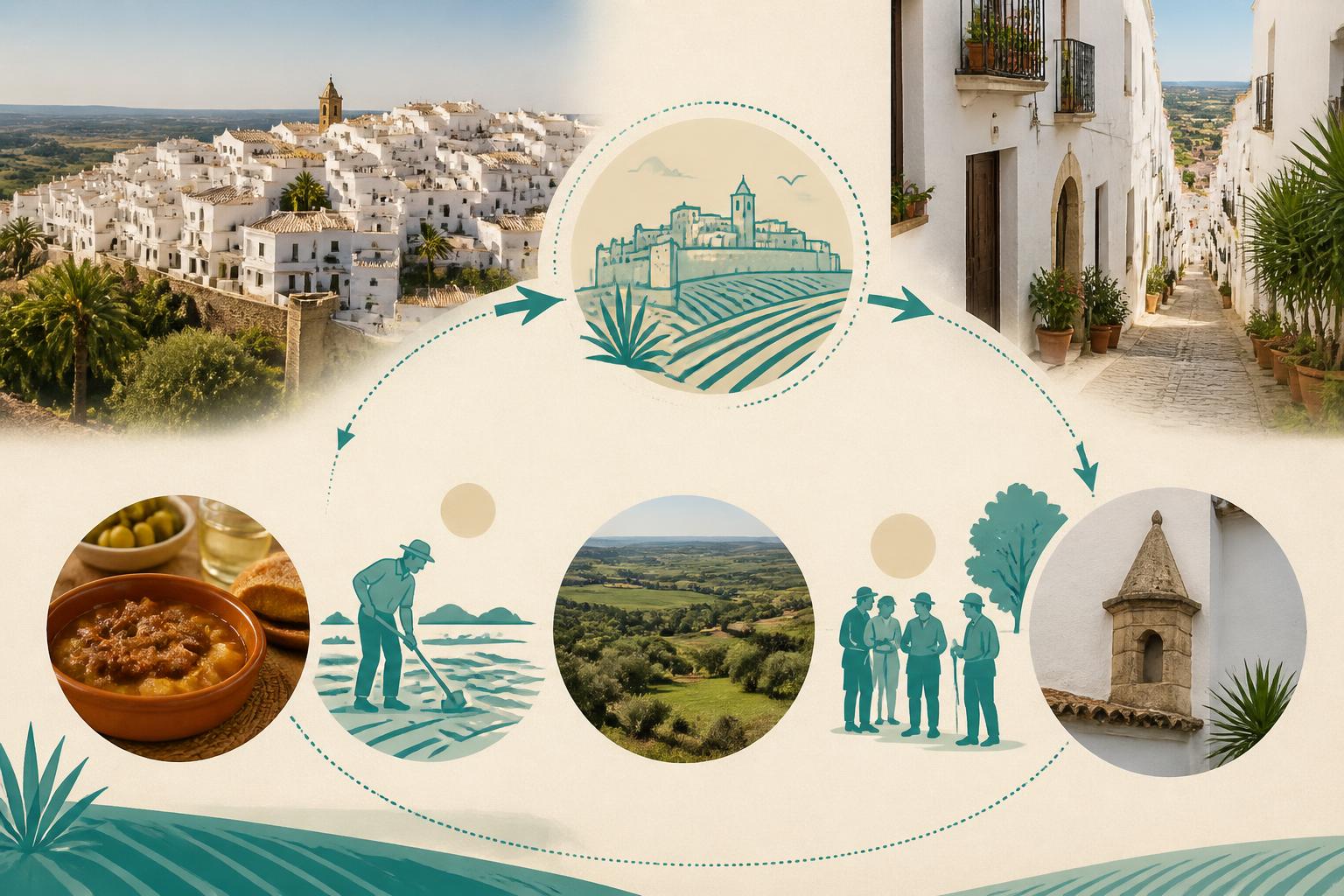
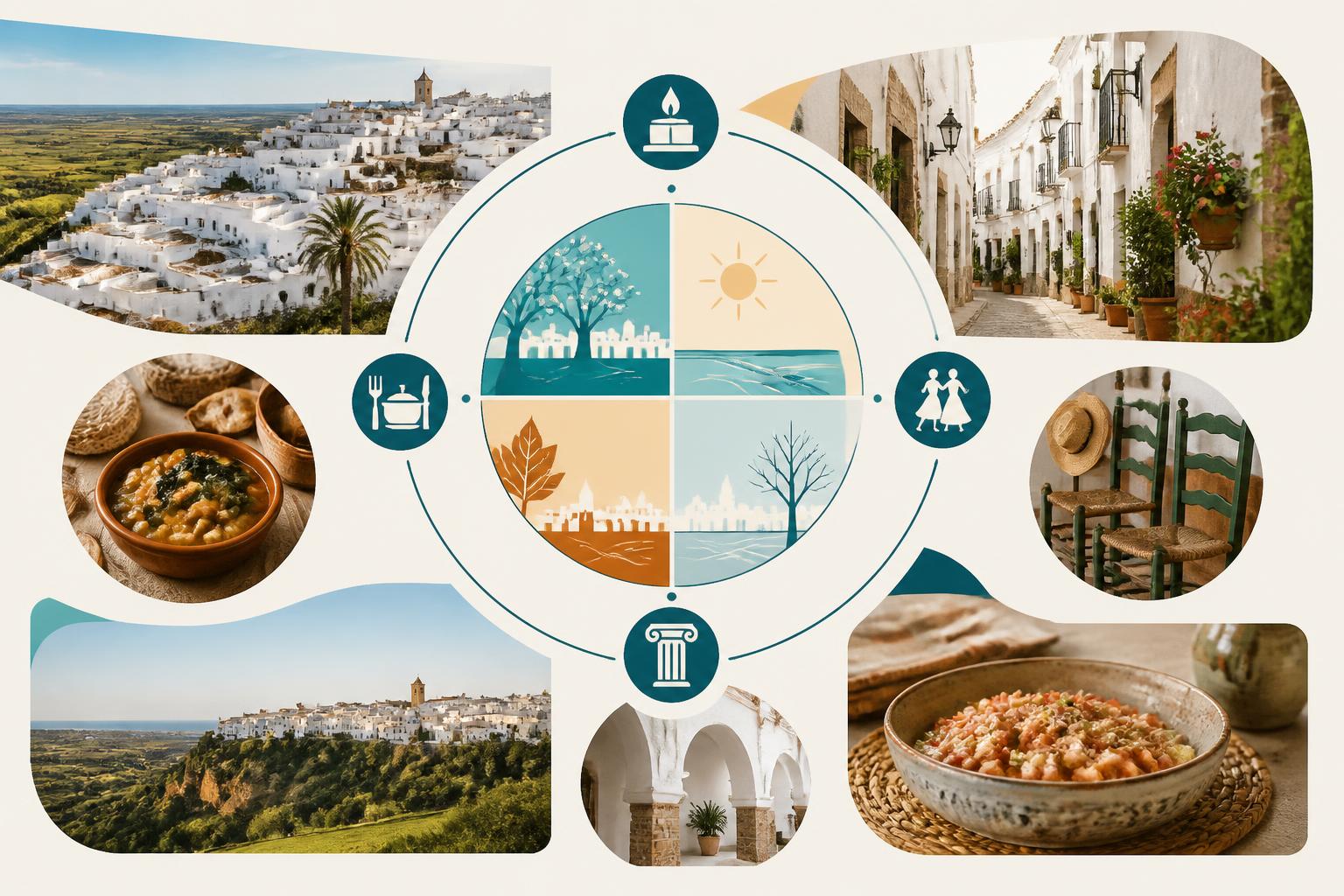
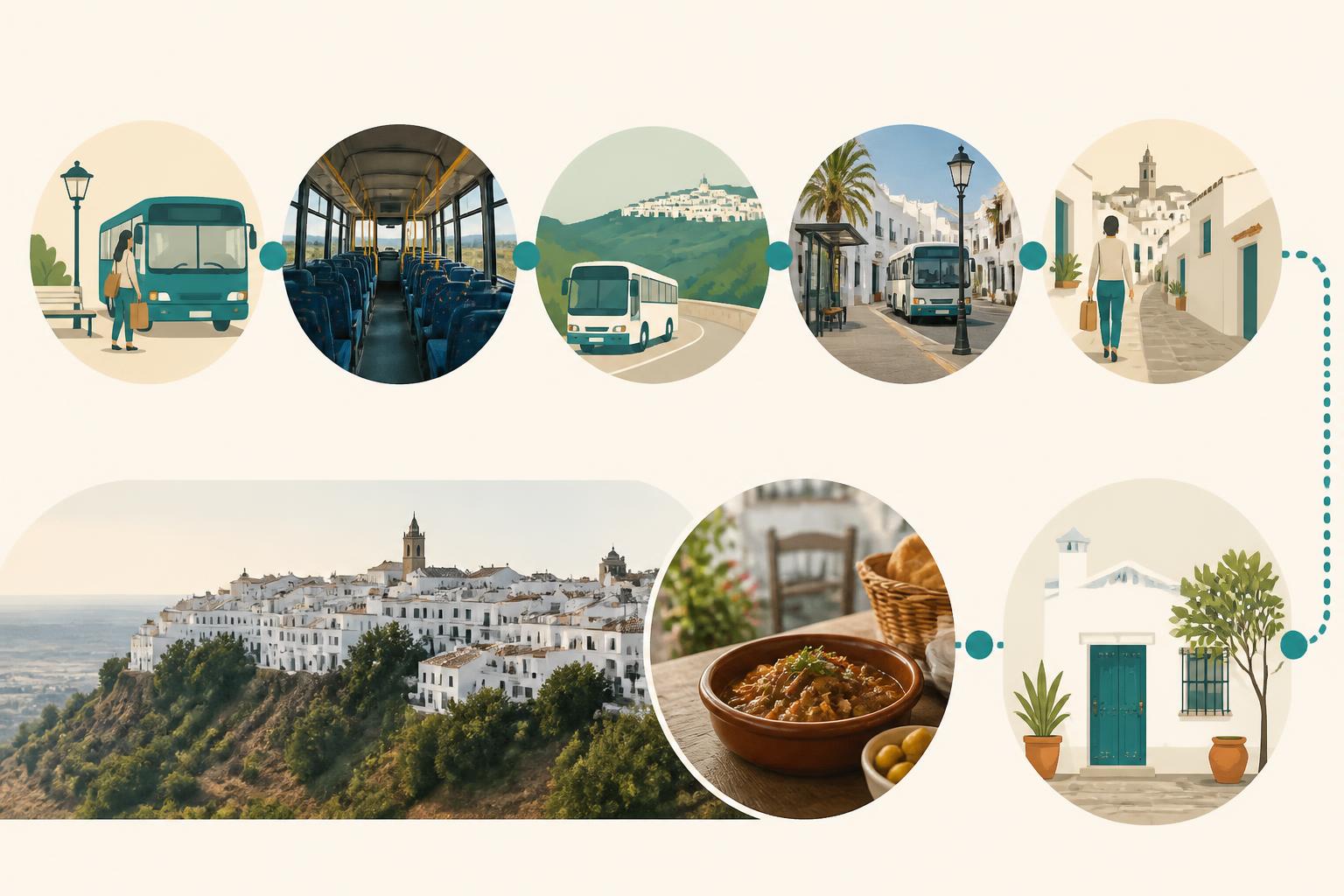
Welcome to Vejer de la Frontera, one of the most recognisable white villages in the province of Cádiz, Spain. Its whitewashed houses, historic streets and nearby beaches make it a useful stop when exploring this part of Andalusia.
Vejer combines historic heritage, traditional architecture, local food and open landscapes. You do not need to see everything in one visit, so this guide focuses on places and plans that can be combined at a relaxed pace.
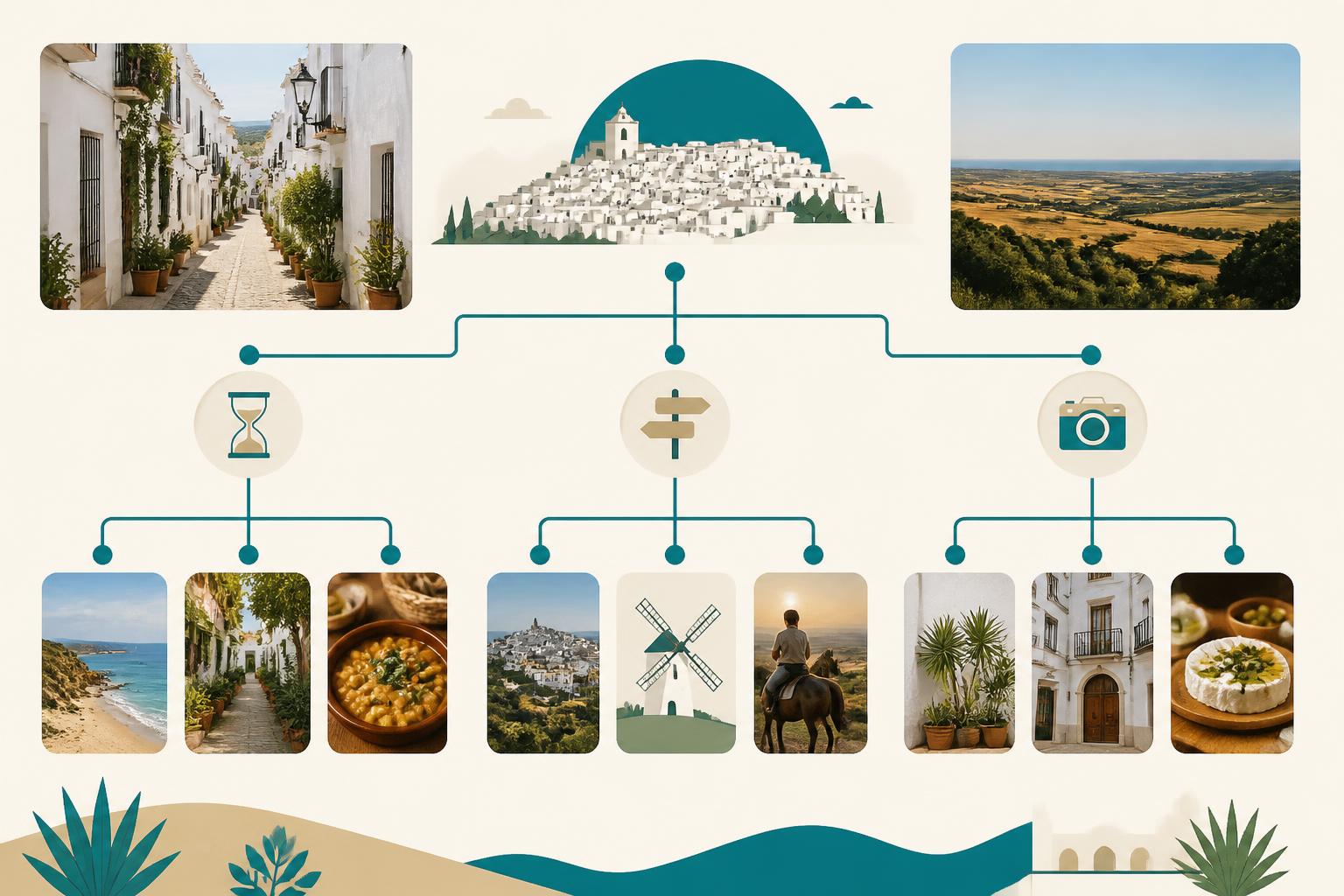
From the old town and its viewpoints to El Palmar and the surrounding countryside, these ideas can help you organise a day in Vejer de la Frontera.
Is Vejer part of the white villages route?
Yes, Vejer de la Frontera is commonly included among Spain’s white villages. The expression usually refers to villages known for their whitewashed houses, narrow streets and hillside settings, especially in the provinces of Cádiz and Málaga.
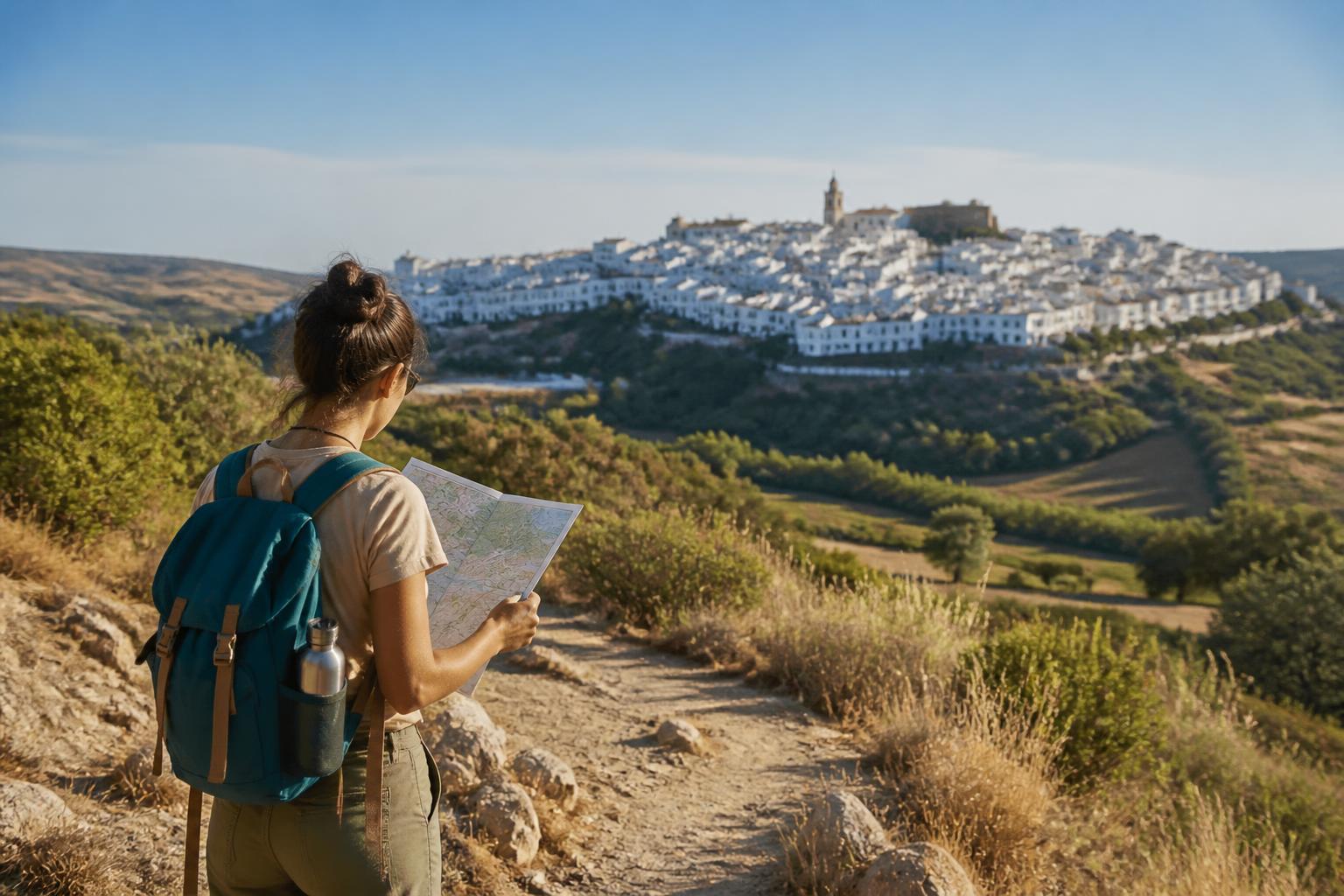
A route through the white villages of Cádiz can include several different landscapes and styles. Vejer is particularly suited to visitors who want to combine a historic centre with viewpoints, local food and access to the coast.
A route with changing landscapes
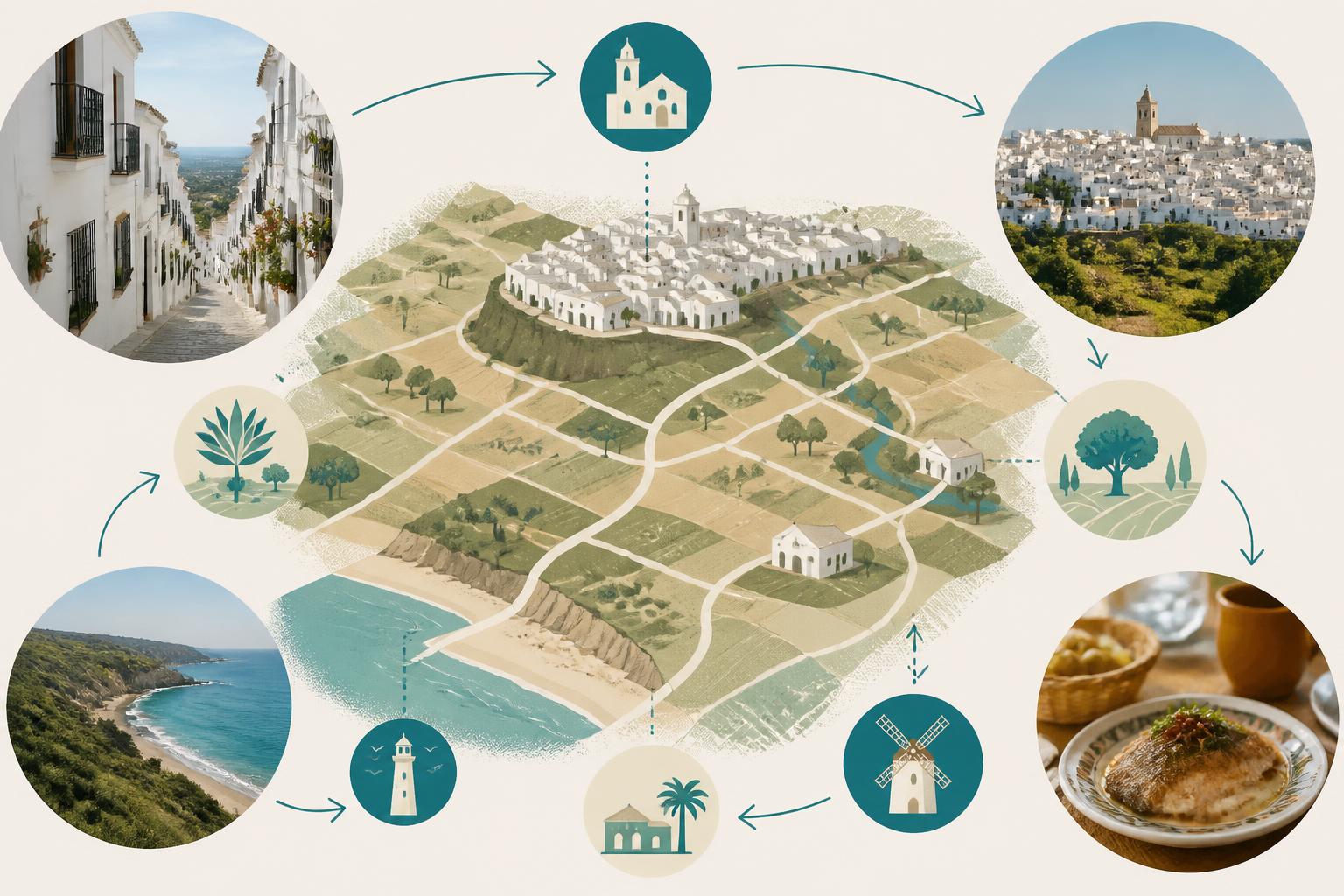
White villages can offer hilltop views, historic streets and access to countryside or coast. Vejer brings these elements together in a compact visit.
Other villages often associated with routes through Cádiz and Málaga include:
- Grazalema
- Arcos de la Frontera
- Ronda
- Olvera
- Ubrique
- Setenil de las Bodegas
The exact route depends on your starting point and the time available. If Vejer is one stop among several, allowing time for a walk through the historic centre is usually more practical than trying to cover every nearby village in one day.
What to see in Vejer when following the white villages route?

If you are visiting Vejer as part of a wider route, begin with a simple plan rather than a long list of stops. Breakfast outside the centre, a walk through the old town and a meal in the village can form the main structure of the day.
The historic centre includes steep streets, changes in level and cobbled sections. Comfortable footwear and enough time for pauses will make the visit easier, particularly if you also want to stop at squares, viewpoints or local shops.
The pork loin and lard sandwich at Venta Pinto
You can start the morning with a hearty breakfast associated with the area. Venta Pinto is not in the village itself, but down the mountain in the district known as La Barca de Vejer.
Its pork loin and lard sandwich is a substantial local option. If you plan to eat there, check current opening information before travelling, as establishments can change their schedules.
A walk through Vejer’s historic centre
Vejer has a long history shaped by different cultures, including Phoenician, Roman, Arab and Christian periods. Its old town brings together whitewashed buildings, narrow streets and architectural details that are best appreciated on foot.
Rather than rushing between landmarks, leave room to follow small streets and stop at viewpoints. The peaceful atmosphere of the historic centre is part of the visit, especially outside the busiest times of day.
Vejer Castle and its walls: a symbol of medieval history
Vejer Castle is one of the town’s principal historic landmarks. The fortified complex dates from the medieval period and helps explain the defensive character of the old town.
Vejer’s walls surround parts of the historic centre and offer a different perspective on the village. Walking beside them allows you to combine the architecture with views across the surrounding countryside.
Divino Salvador Church
Divino Salvador Church stands in the historic centre, within the area enclosed by the old walls. Its architecture reflects the layers of history found in Vejer and makes it a natural stop during a walk through the upper part of the town.
Before planning an interior visit, check the current access arrangements. Even when you do not enter, the church contributes to the medieval appearance of the surrounding streets and squares.
La Corredera, Plaza España and the Town Hall
After exploring the highest part of the old town, you can continue towards some of Vejer’s best-known public spaces:
- Plazuela
- La Corredera
- Plaza España, also known as Plaza Pescaítos
- Town Hall
La Corredera and Plaza España are useful places to pause, take photographs and look for somewhere to eat. Their position also helps connect the upper historic centre with other parts of the village.
For another photographic stop, you can visit the Kiss Corner in Vejer. It fits naturally into a walk through the historic streets without requiring a separate excursion.
Where to eat in Vejer during your white villages route?

Food can be an important part of a visit to Vejer, but the most suitable choice depends on your route and the time available. A restaurant in the village keeps you close to the historic centre, while a roadside stop may work better at the beginning or end of the day.
Look for dishes and products connected with the area, such as pork loin in lard or Retinta beef. You can also consider tapas at the Abastos Market, depending on the current opening arrangements.
For broader ideas about local products and dishes, see this guide to what to eat in Vejer.
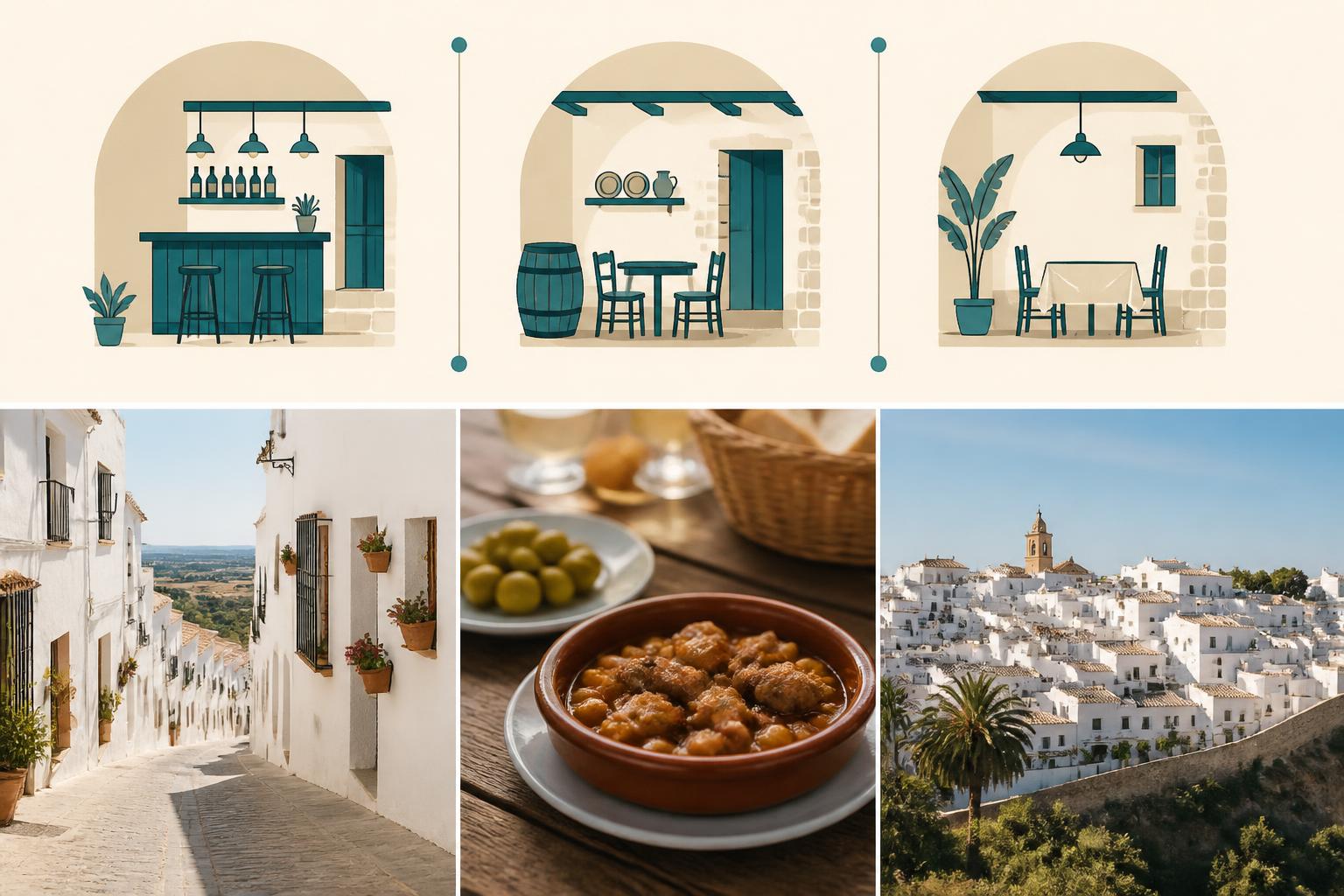
- El Jardín del Califa: An Arab-inspired restaurant in the main square, known for its setting and dishes influenced by North African cuisine.
- 4 Estaciones: A modern restaurant combining local and contemporary influences in the historic centre.
- Las Delicias: A restaurant on La Corredera, where you can combine a meal with views from the village.
- El Siglo: A small bar farther from the centre, suitable for tapas and a more local setting.
- El Roio: A long-established bar and restaurant that has undergone renovation.
- El Punto: A restaurant away from the centre, in a more open setting used by local residents.
Enjoy Vejer’s nature and beaches


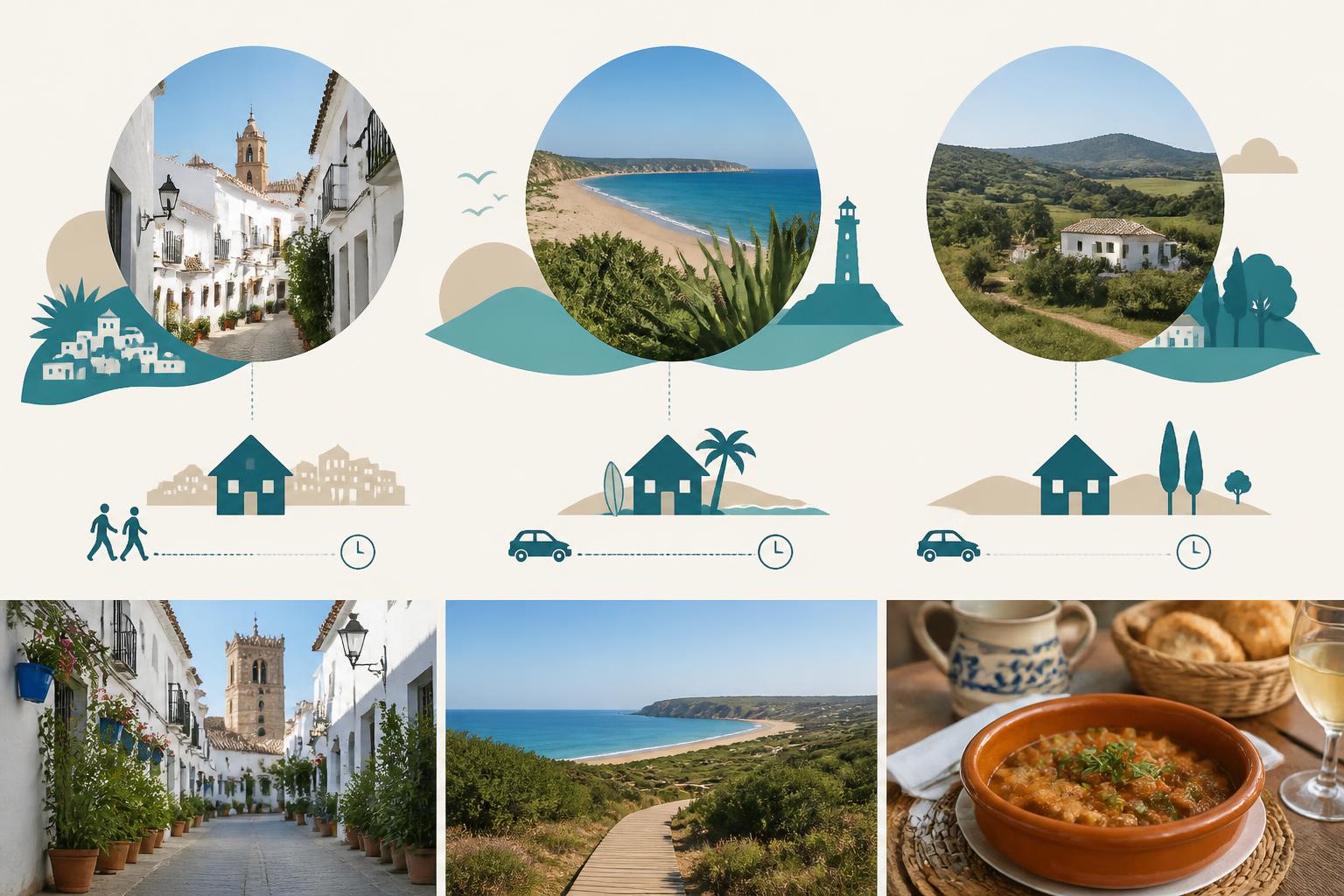
Vejer is also a useful base for exploring countryside and coastal landscapes. These plans work best when you allow extra travel time and check the conditions before setting out, particularly during hot or windy weather.
You can choose between a rural walk, a visit to a nearby natural park or time on the beach. They are different experiences, so your choice will depend on whether you prefer walking, viewpoints, wildlife or a slower afternoon beside the sea.
El Camino de la Oliva and La Breña Natural Park
El Camino de la Oliva leads from Vejer towards La Ribera de la Oliva, where the local patron saint is associated with a small chapel. The route gives you a way to experience the countryside beyond the whitewashed streets.
In August, local residents carry the statue of the Virgin along this several-kilometre path into the hills and later return by the same route. If you plan a walk, consider the heat and confirm local conditions beforehand.
La Breña y Marismas de Barbate Natural Park is another option near Vejer. Its landscape includes woodland, cliffs and marshes, with routes suited to walking, cycling and birdwatching.
The views around the Trafalgar Lighthouse area provide a strong coastal contrast to the inland scenery. Check access and route conditions before visiting, as weather and conservation measures can affect outdoor plans.
The charm of El Palmar de Vejer: impressive beaches
El Palmar is one of the coastal areas associated with Vejer and offers a long sandy beach. It can work well as a separate afternoon plan or as part of a longer visit that combines the historic centre with the coast.
The beach is also associated with surfing and other water activities. Conditions can vary, so check the sea and weather before entering the water, and choose the part of the beach that suits your plans.
Whether you are following a wider white villages route or planning a short stay, Vejer is easier to enjoy when you leave space between stops. A walk through the historic centre, a local meal and one nearby natural or coastal plan can create a balanced day without rushing.