






En este artículo
The Hazas de Suerte of Vejer de la Frontera are a local tradition connected with the use of land and a system of drawing lots. They are not simply a festival, although each edition may include public events and activities.
To understand them, it helps to separate three questions: what the tradition means, how the hazas are distributed or assigned, and when each edition takes place. The general explanation remains relevant over time, while the dates and programme belong to each specific call.
What are the Hazas de Suerte of Vejer?
A haza is a piece of land. In Vejer, the Hazas de Suerte are connected with the assignment or use of certain plots through a lottery procedure. The word “suerte” refers precisely to this way of deciding what belongs to each participant according to the applicable rules.
For this reason, the Hazas should not be confused with an isolated festive event. They are a tradition with a territorial and administrative dimension, to which public events may be added during the period of celebration. The lottery is only one visible part of a broader system.
The tradition may interest both people who live in Vejer and visitors who want to understand the municipality’s customs better. For visitors, the most important point is to distinguish the cultural explanation from the specific programme: attending an event does not necessarily mean taking part in the lottery.
The origin and meaning of this local tradition
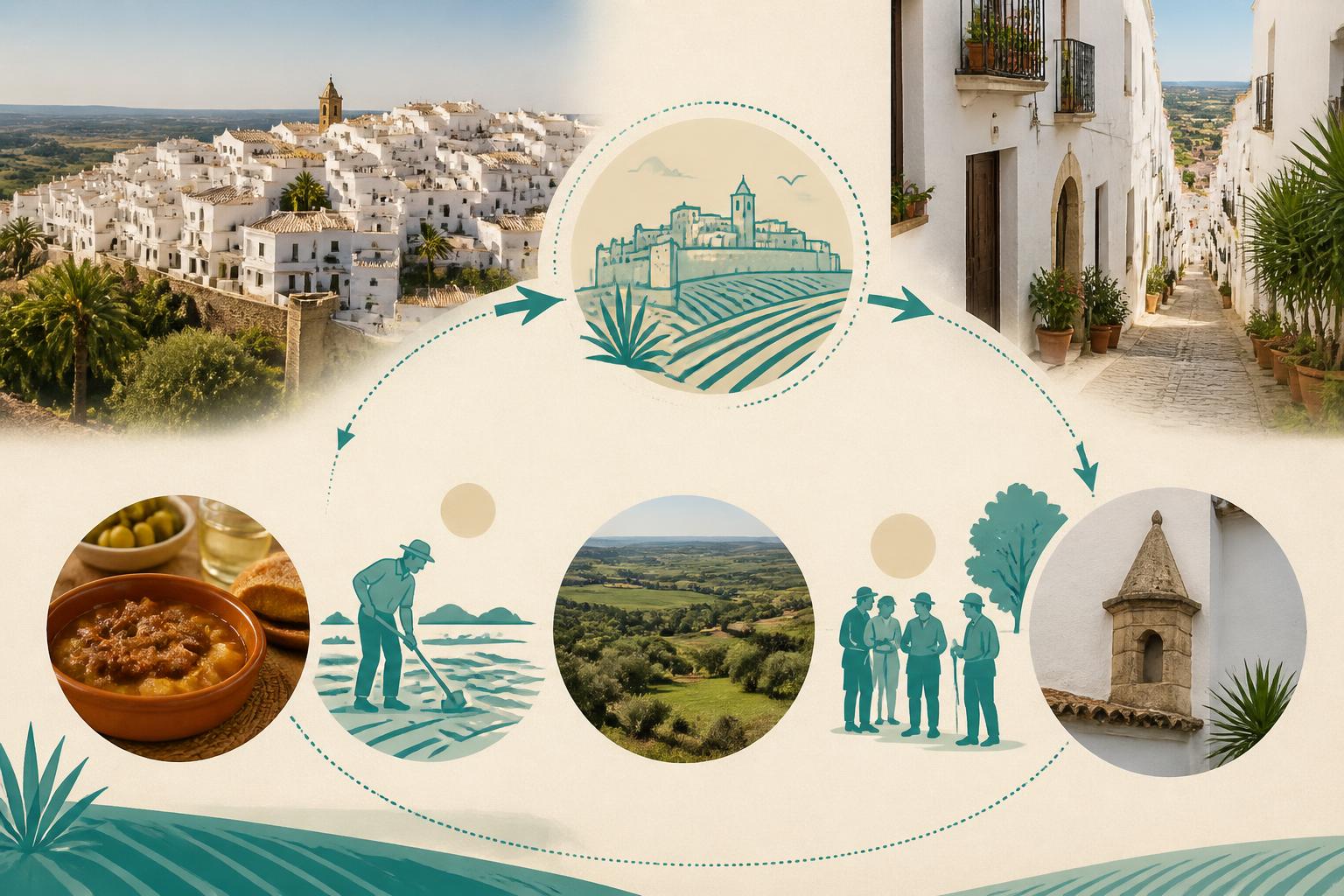
The meaning of the Hazas de Suerte is closely linked to the relationship between Vejer and its territory. The tradition preserves an organised way of distributing or using land and keeps alive a practice that cannot be understood only through the calendar of local festivals.
It also has a collective dimension. The rules determine who can take part, which lands are included in the process and how the assignment is carried out. The interest of the Hazas therefore does not depend only on the atmosphere of a celebration, but also on the continuity of a recognised system within local life.
In practice, cultural value and tourist interest may coincide during a particular edition. The municipality may organise related activities and receive visitors, but these proposals complement the tradition. They do not replace its original meaning as a mechanism for organising and distributing land.
The Hazas are best understood as living heritage in Vejer, not as an attraction created solely for people coming from elsewhere. This perspective helps explain why the dates of an edition and the way the system works are separate matters.
How the Hazas de Suerte system works
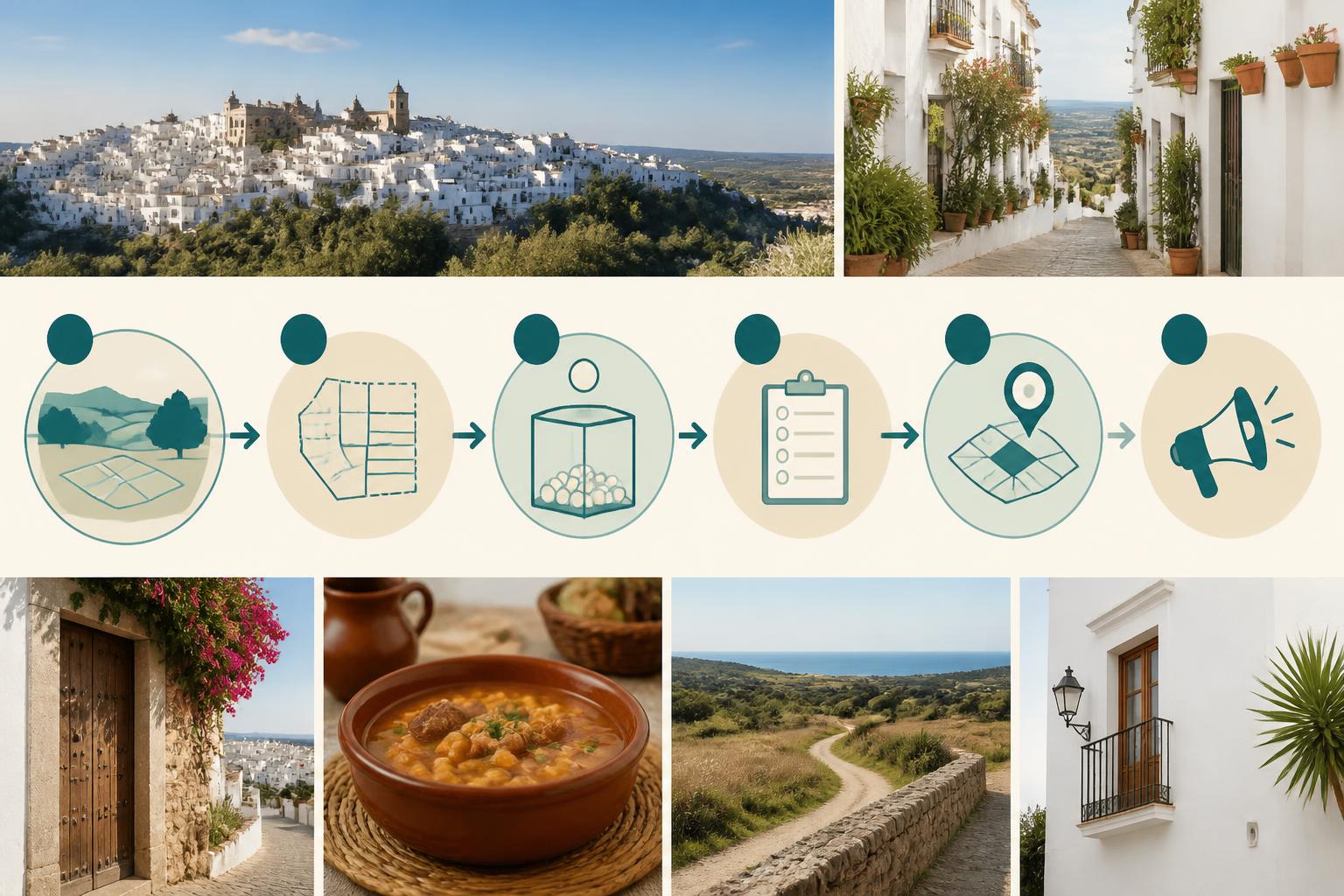
The process can be explained in several stages. First, the land or hazas included in the process are identified. The rules then establish who may take part, and finally the planned lottery or assignment takes place.
The general outline can be summarised as follows:
- The hazas included in the call are identified.
- Those who may participate are determined according to the established conditions.
- The lottery or assignment event is held.
- The corresponding result is announced.
These stages help explain the logic of the tradition, but they do not by themselves reveal the number of plots, the requirements, the length of the land-use period or the identity of the participants. Those details belong to the rules and the call for each edition.
Public events may also take place around the lottery. In that situation, visitors should distinguish between the cultural programme and the assignment procedure. Attending as a member of the public does not mean having the right to take part in the distribution.
The 2024 Hazas de Suerte page illustrates this combination of tradition and calendar. That edition included related activities from November and scheduled the lottery for December.
When are the Hazas de Suerte held in Vejer?
The Hazas should not be viewed as a weekly activity or a permanent tourist event. They are organised in specific editions, with a period of activities and a particular date for the lottery or main event.
As a historical reference, the 2024 edition held its lottery on Sunday 22 December. The related programme began earlier, with activities scheduled from 15 November. These dates show how that year was organised, but they do not by themselves announce a future call.
This distinction matters because the calendar may change. A new edition may concentrate its events in a different period, alter the programme or announce the location and time differently. A date from 2024 should be read as a previous example, not as current information.
If you want to attend, check the call for the year of your visit. The information you need is the information for the specific lottery or event, rather than just a general reference to the Hazas de Suerte.
What to check before attending a celebration or lottery
Before travelling, it is worth confirming the details of the edition you want to learn about. The tradition can be explained in a stable way, but attending depends on the programme published for that particular time.
- Date: check the day of the lottery and any related activities.
- Time: confirm the exact time of the event, as it may differ from the rest of the programme.
- Location: check where each activity takes place and whether more than one venue is involved.
- Access: find out whether the event is open to the public or whether entry conditions apply.
- Participation: distinguish between attending as a spectator and taking part in the procedure.
- Changes: check whether any amendments to the programme have been published.
The 2024 edition may give you an idea of the type of information usually associated with the Hazas, but it does not replace the details for the year that interests you. Dates, locations and conditions should always be linked to their specific call.
To complement your visit, you can also read the guide to festivals and traditions in Vejer. If you are travelling by car, you may find the recommendations on where to park in Vejer de la Frontera useful.
This will help you approach the Hazas de Suerte with a clear idea: you are learning about a tradition linked to Vejer’s territory and, if an edition open to the public coincides with your visit, organising your plans using that year’s specific information.