









En este artículo
If you are looking for what to eat in Vejer, choosing a restaurant is not always enough. It is also useful to recognise the products and preparations that may appear on a menu, at a food event or in a shop, and to know what information you should check before ordering.
This guide starts with a documented reference in the information available about the municipality: lomo en manteca, pork loin preserved in lard. For the other suggestions, it is important to check the current offer and not present every ingredient found in a business as a local product.
How to approach the cuisine of Vejer
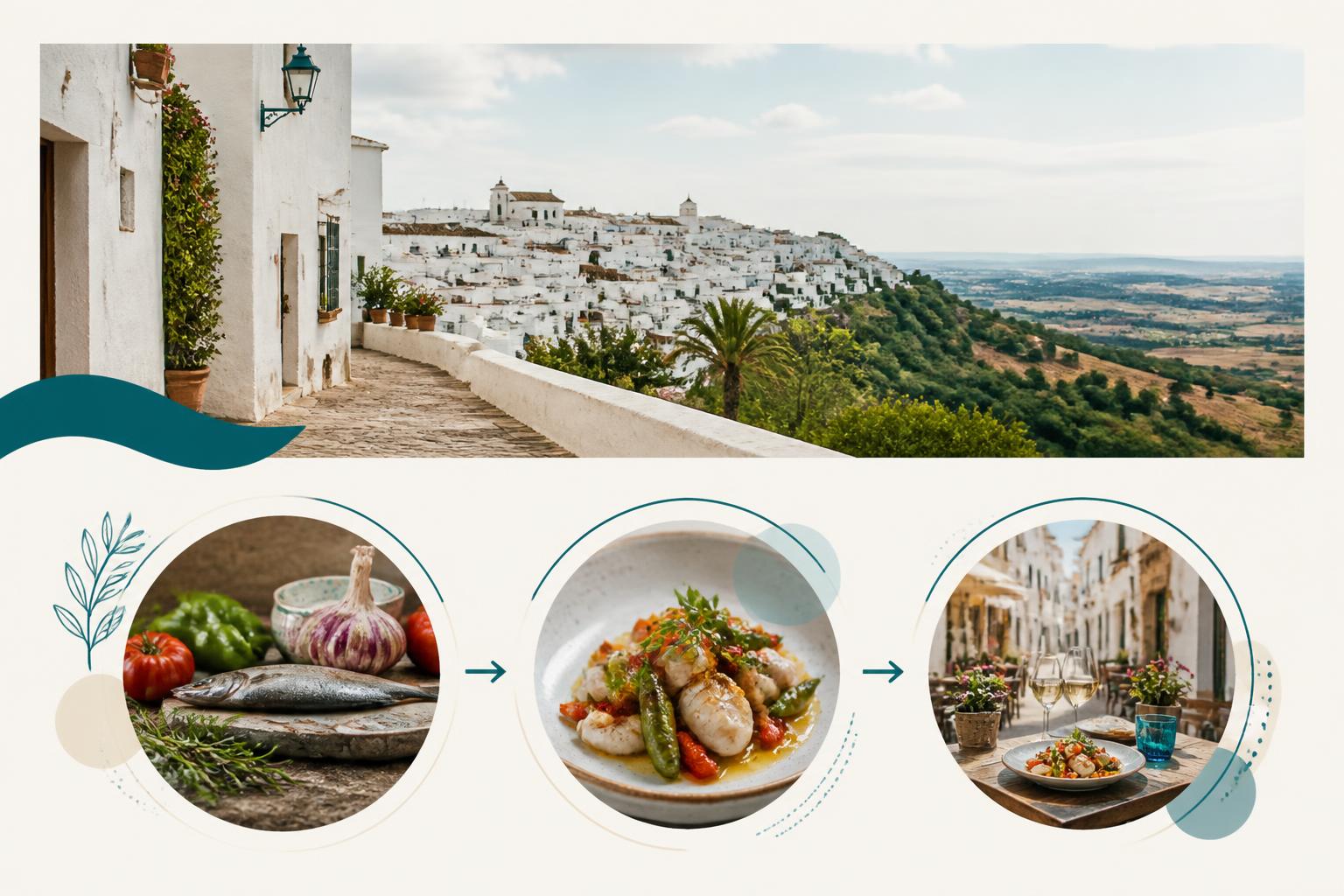
A simple way to organise your search is to separate three concepts. A product may be sold on its own or used as an ingredient. A dish is a preparation that is ready to eat. The format indicates how it is served: as a tapa, portion, main course, tasting or takeaway product.
This distinction makes it easier to interpret a menu. The fact that an ingredient appears in a recipe does not, by itself, prove that it comes from Vejer. Likewise, a food event dedicated to a product in the municipality does not mean that the product is available every day.
Before choosing, look for four details:
- The exact name of the product or preparation.
- The ingredients and side dishes.
- The format and approximate size of the portion.
- Its availability on the date of your visit.
Menus can change because of the season, stock, kitchen changes or decisions made by the business. For that reason, information published online is a useful starting point, but it does not always reflect what is being served that day.
If you are still organising your itinerary, Vejer.com.es can also help you find more information about visiting Vejer. This may help you place the municipality on your route and combine food with the rest of your visit.
Products worth looking for on menus and in markets
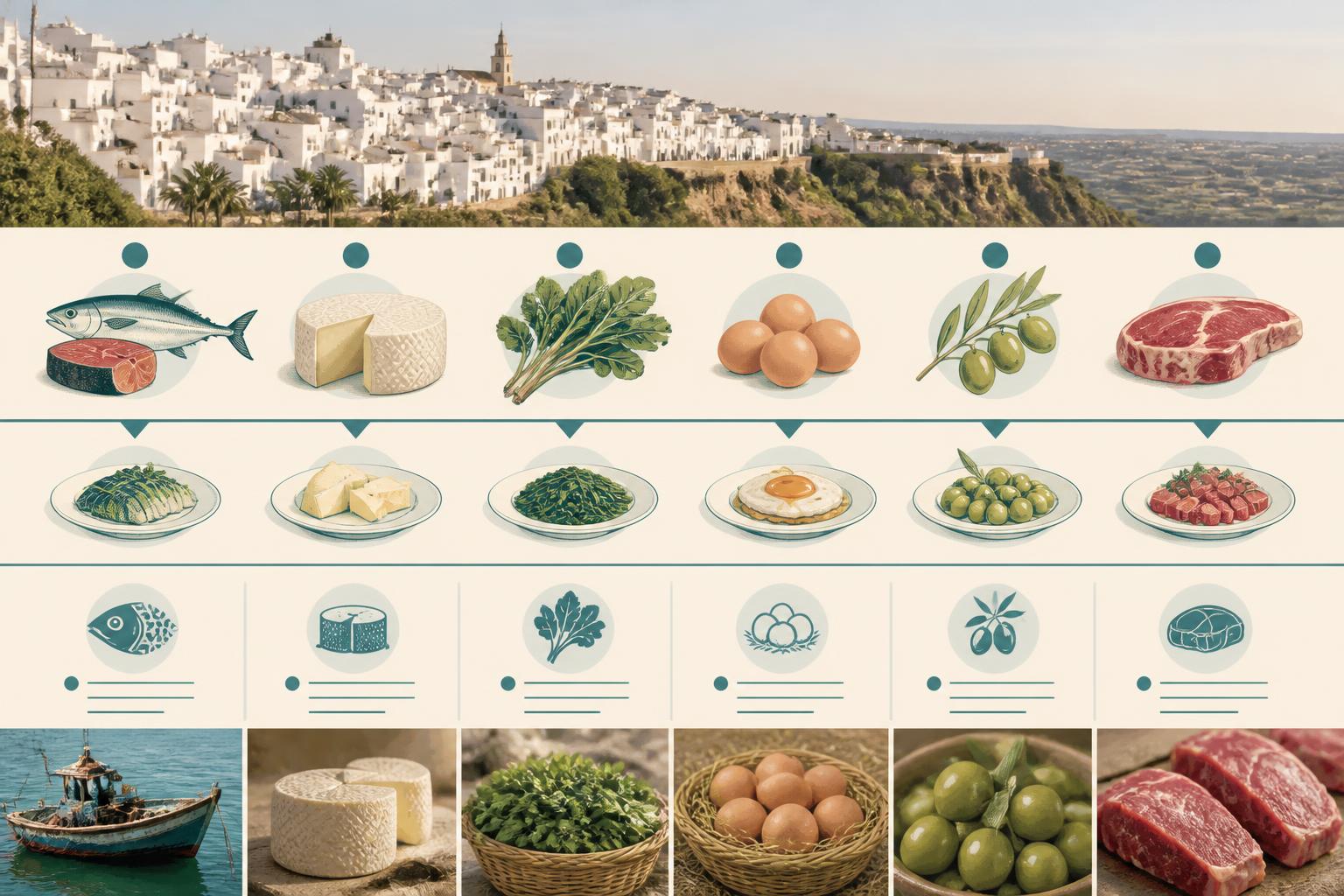
The most specific gastronomic reference that can be used here is lomo en manteca, which is associated with Vejer and with a themed food event included in the information published about the municipality. You may find it as a prepared product, a tapa or part of another preparation, but the format depends on each establishment.
As it is linked to a dated activity, it should be treated as a documentary reference. Always check whether a new edition has been announced or whether the product is available outside that particular event.
It is not advisable to turn this reference into a general guarantee. Before travelling, check whether the business offers it, whether it is sold to eat immediately or to take away, and what additional ingredients it contains.
For other products, the article should remain more cautious while there is no reliable gastronomic source. A product may be common in the province of Cádiz or in the La Janda area without being specifically documented as a product from Vejer.
Which local products might appear during a visit to Vejer?
Lomo en manteca is a proposal worth investigating during your visit because a local food event is dedicated to this product. Its actual presence, however, may depend on the establishment, the date and the sales format.
If you find other suggestions on a menu, ask about their specific origin. Check whether the product is made in Vejer, comes from another municipality or simply forms part of a recipe created by the business.
How can you recognise a seasonal or locally made product?
Look for information on the menu, blackboard, label or in the establishment’s explanation. Terms such as “local”, “seasonal” or “artisan” are more useful when they are accompanied by an origin, producer or specific explanation.
If those details are not shown, ask directly. It is also worth confirming whether the product is available throughout the week or depends on an event, fair or limited quantity.
Dishes and preparations for understanding what to eat in Vejer
Lomo en manteca may be presented in different ways depending on where you try it. It may appear as a portion of the product, be included in a tapa or be served with other elements. It is not advisable to assume that there is one recipe or a common presentation in every business.
Expanding the list of typical dishes from Vejer would require local or gastronomic sources documenting their names, ingredients and relationship with the municipality. Until that verification has been carried out, it is better not to fill the guide with dishes attributed to Vejer merely through habit or generic content about the surrounding area.
When you read a proposal on a menu, pay attention to these points:
- Whether it is described as a traditional recipe, an establishment’s own creation or a product served without further preparation.
- Whether it includes sauces, side dishes or ingredients that may alter its flavour.
- Whether it is offered as a tapa, individual portion or dish to share.
Which typical Vejer dishes are worth identifying on a menu?
Based on the verified information available for this review, the proposal that can be mentioned specifically is lomo en manteca. It should be described as a gastronomic reference associated with the municipality, not as the most popular dish or as something guaranteed to appear in every restaurant.
If a reliable source documents new preparations, each one should be added with its name, main ingredients and eating context. The entry should also explain when the information may vary according to the menu or establishment.
In what formats might these proposals appear?
A product such as lomo en manteca may be served to eat immediately or presented as something to buy and take away. It may also form part of a tapa or portion, although this possibility must be confirmed on the specific menu.
Food events may use formats different from those of a regular restaurant. Before going, check whether the activity involves a tasting, product sale or food service, and do not confuse a one-off event with a permanent offer.
What should you ask before ordering?
Start with a direct question: “What ingredients does it contain and how is it served?” You can then ask whether it contains gluten, dairy, eggs, nuts or other allergens. The establishment must confirm this information, especially if you have an allergy.
You can also ask about the portion size, side dish, level of spiciness and availability. If you are looking for a particular product, confirm whether it is prepared that day or whether it is advisable to reserve it.
How to choose where to try each proposal
The format you choose depends on the experience you are looking for. A restaurant may be more suitable if you want to sit down for a meal and review a wide menu. A bar may be more practical for trying a tapa or sharing several portions.
A market, shop or food event may be more interesting if you want to learn about the product, buy it or try it in a one-off format. No option is automatically better: the important thing is to check what service it provides and what is currently available.
If you plan to visit several places, organise your search first by product or type of food. Then review the establishments that mention this offer in their current information. Availability should guide your route, rather than assumptions based on older menus or general recommendations.
What is the difference between trying a dish in a restaurant, bar or market?
In a restaurant, the complete preparation and table service usually carry more weight. In a bar, tapas and portions may be more common. In a market or at an event, the focus may be on the product, tasting or buying something to take away.
These differences do not, by themselves, indicate quality or availability. Always check the specific format, kitchen hours where relevant and storage conditions if you buy food to take away.
How can you check that a restaurant offers what you are looking for?
Review the most recent menu on the establishment’s own channels or contact it directly. Check the dish name, ingredients, format and whether it is served every day or only at specific times.
Restaurant listings can help you locate businesses, but they do not replace this check. The current menu and the establishment itself are the most useful sources for confirming whether a particular proposal is available.
Practical tips for eating in Vejer
If you already know what you want to try, check availability before organising your route. This is especially useful when you are looking for something linked to a food event, a seasonal menu or a limited quantity.
If you travel with allergies, intolerances or a specific diet, contact the establishment and explain your needs before ordering. Do not assume the composition of a recipe because it has a familiar name: ingredients and side dishes can change.
For a short visit, you could combine a sit-down meal with buying a product to take away, provided you confirm how it should be stored. This gives you more flexibility to explore the local cuisine without trying to eat everything in one meal.
It is also useful to plan food separately from the rest of the day. If you want to eat in the historic centre, check the location, the time available and whether you need to book. If you plan to buy food, ask how long it can be kept in good condition.
In short, knowing what to eat in Vejer means identifying a specific proposal, understanding how it may be served and checking that it is available. Lomo en manteca provides a documented starting point; the rest of the guide should grow only when reliable sources make it possible to describe each product or dish accurately.